
The history of Ayodhya in brief
Ayodhya lies on the Saryu in Uttar Pradesh and is the seat of the Ayodhya district and division. It is revered in Hindu tradition as the birthplace of Rama and is closely tied to the Ramayana. It also matters in Jain traditions. This page keeps faith and dated record apart. Where something rests on tradition, the text says so.
The city has older names. It is also called Saket and is remembered as an earlier capital of Kosala. In November 2018 the Faizabad district and division were renamed Ayodhya, although some local names still use Faizabad. To see the places that carry this history today, look at the Ayodhya temple tours and day trips.
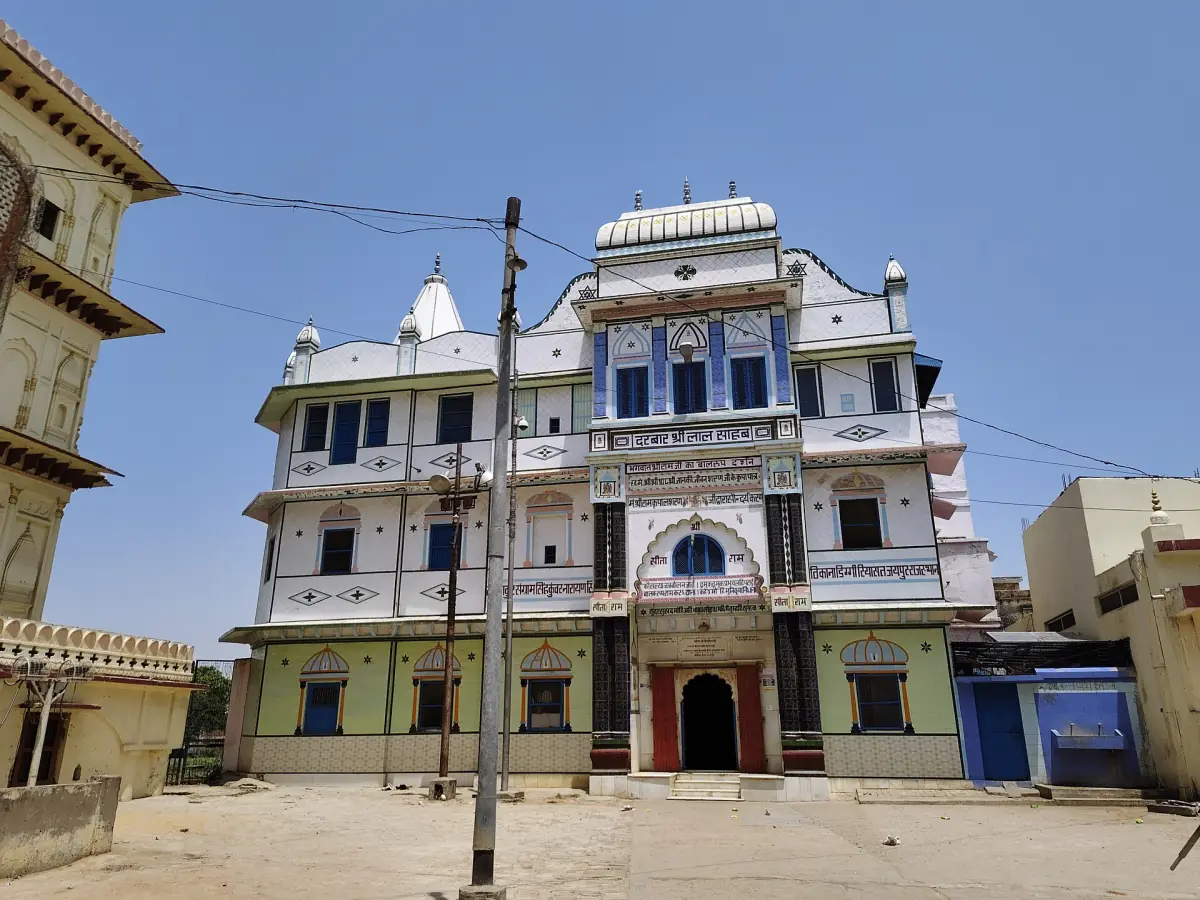
Ayodhya tours and day trips
Temple tours, ghat visits and day trips around Ayodhya, with live prices and availability.
Ramayana tradition, Saket and Kosala
What is tradition and what is name and place.
The Ramayana tradition
Ayodhya is revered as the birthplace of Rama and as the setting of much of the Ramayana. This is a matter of faith and tradition, and this site presents it that way. It does not present events from the epic as archaeologically proven.
Saket and Kosala
Ayodhya is also known as Saket and is remembered as an earlier capital of Kosala. The dates of the earlier names are uncertain.
Faizabad and Ayodhya
In November 2018 the Faizabad district and division were renamed Ayodhya. Faizabad can still appear in local names, for example for the weather station, so a map or a ticket may use either name.
Babri Masjid, 1992 and the 2019 verdict
The dated facts.
The Babri Masjid stood at the site. It is traditionally dated to 1528, with an inscription read as 935 AH, which is 1528 to 1529, and it is attributed to Mir Baqi. Details of its building history were discussed in the court proceedings.
On 6 December 1992 the mosque was demolished by a crowd. The judgment of 2019 describes the demolition as a serious violation of the rule of law.
On 9 November 2019 the Supreme Court gave its judgment in the case known as M Siddiq v. Mahant Suresh Das. It ordered the state to set up a trust to manage the land and to build a temple. Separately, it ordered that a suitable plot of 5 acres be given to the Sunni Central Waqf Board for a mosque. The judgment does not order a mosque at the old site itself.
The land for the mosque was later allotted in Dhannipur, in Tehsil Sohawal, by a government order of 5 February 2020. The allotment of land does not mean that a mosque has been built or opened there.
From the judgment to the temple
The milestones that followed.
22 January 2024: Pran Pratishtha
The consecration of Ram Lalla took place in the new temple. It was an important milestone, but it did not mean that all construction was finished at that time.
25 November 2025: formal completion
A flag ceremony marked the formal completion of the temple construction. This does not mean free access to every part of the complex or an end to every building project in the city.
Visiting today
For the temple, its design and what to expect on a visit, read the guide to the Ram Mandir. For opening times and rules, see the darshan timings.
Places in Ayodhya and their traditions
Where the stories attach to places you can visit.
Kanak Bhawan
Tradition describes it as a gift from Kaikeyi to Sita after her wedding. The later renewal is attributed to Vrish Bhanu Kunwari. The building you see today is not a surviving structure from the Ramayana. See Kanak Bhawan.
Dashrath Mahal
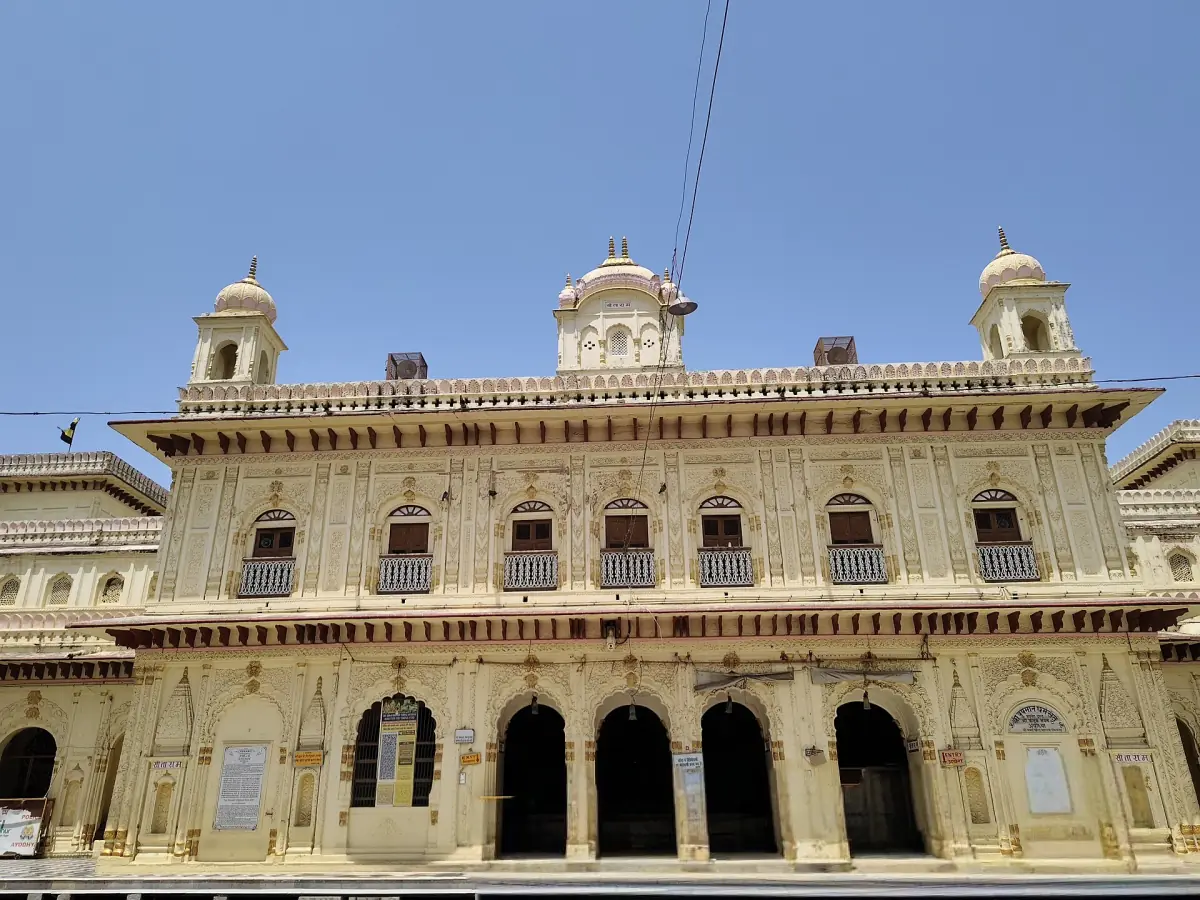
Dashrath Mahal is a stop of its own on the tourist route through Ayodhya. Ask on site about the age of the building and whether you can enter the interior.
Sita ki Rasoi and Treta ke Thakur
Sita ki Rasoi is a named stop on the route. Treta ke Thakur is open to the public once a year, on Kartik Shukla Ekadashi, so do not plan a daily visit inside.
Hanuman Garhi
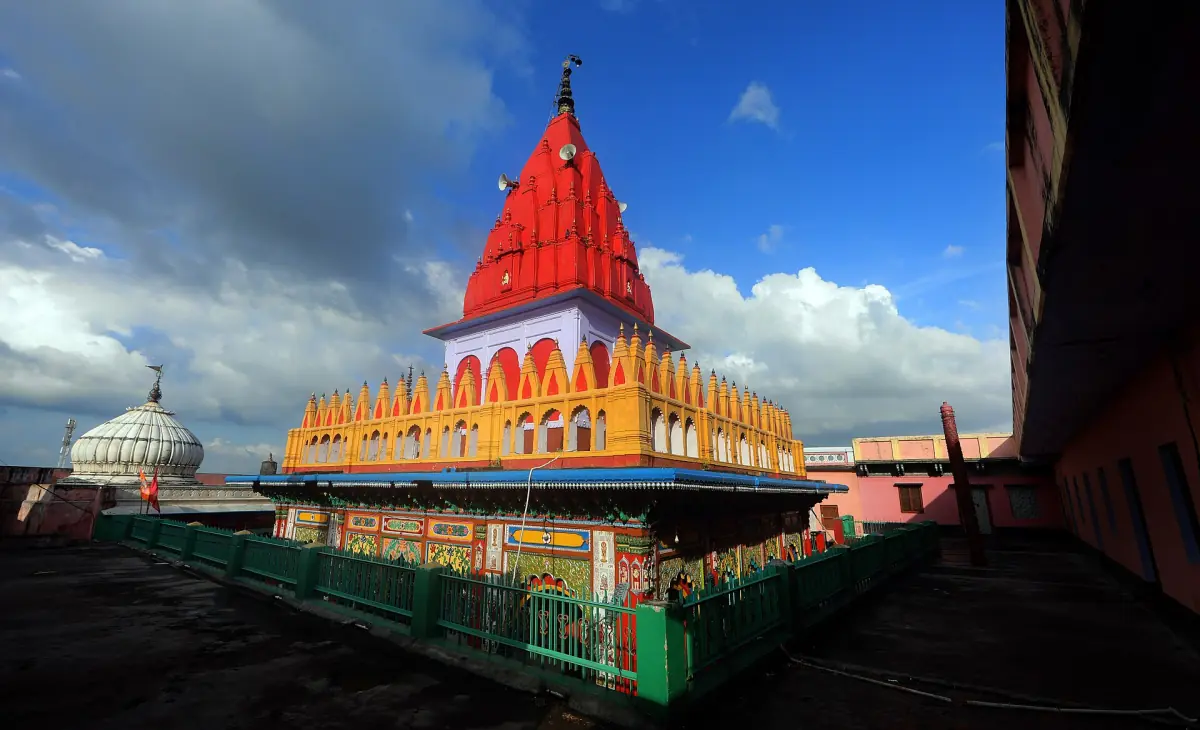
Tradition holds that pilgrims visit Hanuman Garhi before the Rama temple. This is a custom, not a rule. See Hanuman Garhi for the steps and timings.
Plan the rest of your trip
Visit the places behind the history.
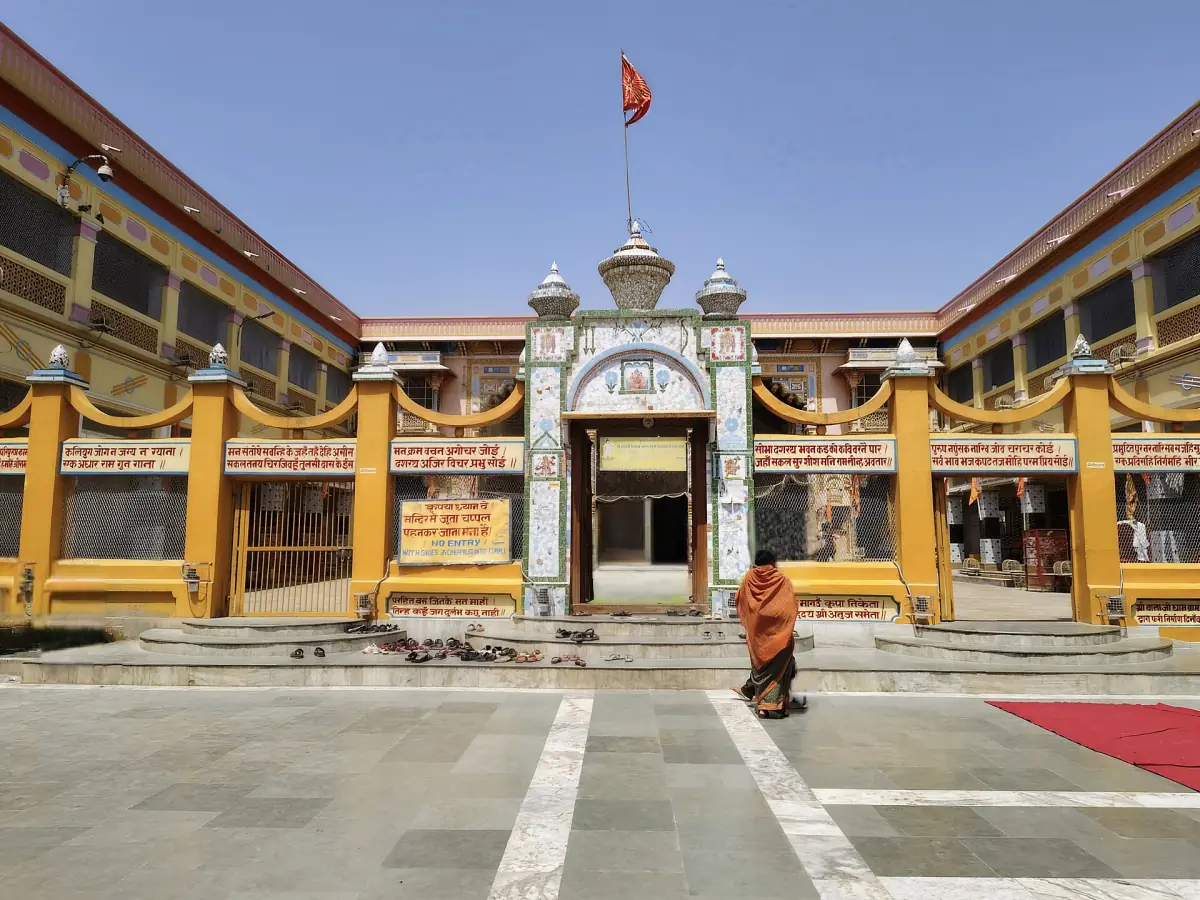
History of Ayodhya: frequently asked questions
Why is Ayodhya important?
Ayodhya is revered in Hindu tradition as the birthplace of Rama and is closely tied to the Ramayana. It also has importance in Jain traditions.
What was Ayodhya called in the past?
It is also known as Saket and is remembered as an earlier capital of Kosala. In 2018 the Faizabad district and division were renamed Ayodhya.
What did the Supreme Court decide in 2019?
On 9 November 2019 the court ordered a trust to manage the land and build a temple, and it ordered a plot of 5 acres to be given to the Sunni Central Waqf Board for a mosque.
When was the Babri Masjid demolished?
On 6 December 1992 the mosque was demolished by a crowd. The 2019 judgment describes this as a serious violation of the rule of law.
Where was the land for a mosque given?
A plot of 5 acres in Dhannipur, Tehsil Sohawal, was allotted by a government order of 5 February 2020. The allotment does not mean a mosque has been built there.
When was the Ram Mandir consecrated?
Pran Pratishtha of Ram Lalla took place on 22 January 2024. A flag ceremony on 25 November 2025 marked the formal completion of the temple construction.