
Places to visit in Ayodhya at a glance
Ayodhya is a pilgrimage town on the Saryu in Uttar Pradesh, honoured as the birthplace of Rama and closely tied to the Ramayana. Its main sights are the Ram Mandir, Hanuman Garhi, Kanak Bhawan and the ghats on the river. Each is a separate place with its own entry, timings and queues. There is no single ticket that covers them.
The word palace needs care here. Places such as Kanak Bhawan and Dashrath Mahal are sites of tradition and worship, not preserved buildings from the Ramayana age. Treat the stories as faith and the buildings as what you see today. If you would rather not plan every stop yourself, our Ayodhya tour packages page shows how guided days are put together.
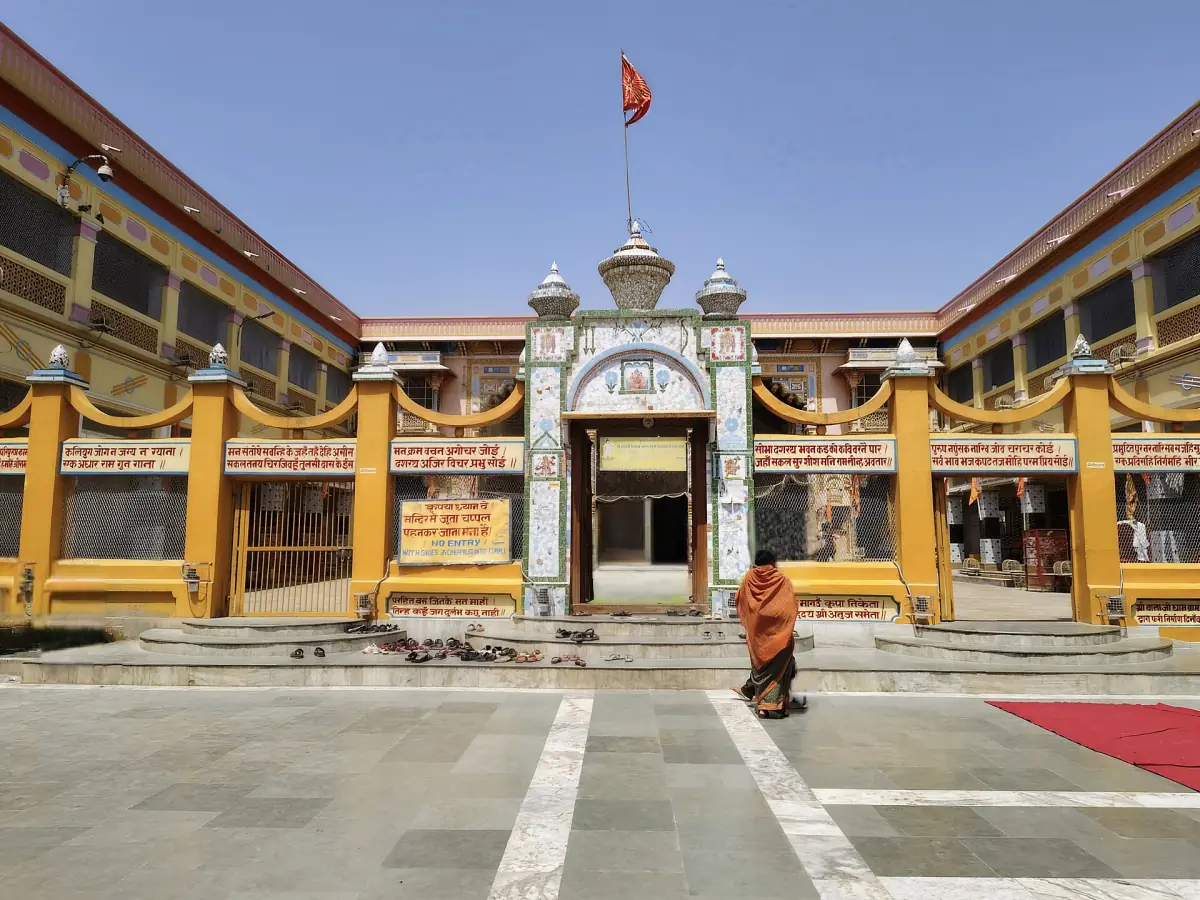
Ram Mandir
The reason most visitors come.
The Ram Mandir is built in the traditional Nagara style with 392 pillars, 44 doors and five mandaps. The sanctum of Ram Lalla is on the ground floor. Ram Lalla was consecrated on 22 January 2024, and the formal completion of the temple was marked with a flag ceremony on 25 November 2025. The east entrance, the Singh Dwar, has 32 steps.
Completion of the temple does not mean every room is open to visitors. Darshan follows set timings and rules on passes, bags and phones. Read the Ram Mandir guide and the darshan timings before you plan the day around it.
Our pick: a private guide from Lucknow
A private guide takes you through the temples at your own pace, with the monument entries on the route paid.
Hand-picked tours, booked through GetYourGuide. Prices are indicative starting prices in US dollars (as of October 2026). Tap a tour for live availability and the current price in your currency.
Ayodhya tours and sightseeing
Guided temple circuits, riverfront walks and day trips from Ayodhya, with live prices and availability.
Hanuman Garhi, Kanak Bhawan and Dashrath Mahal
Hanuman Garhi is a temple to Hanuman on a rise, reached by steep stairs of 76 steps. Many pilgrims follow the custom of visiting Hanuman Garhi before the Ram temple. That is a tradition, not a rule. Opening hours are generally 04:00 to 22:00, but a midday break is possible, with 05:00 to 12:00 and 16:00 to 22:00 as the safe windows, so plan for a gap.
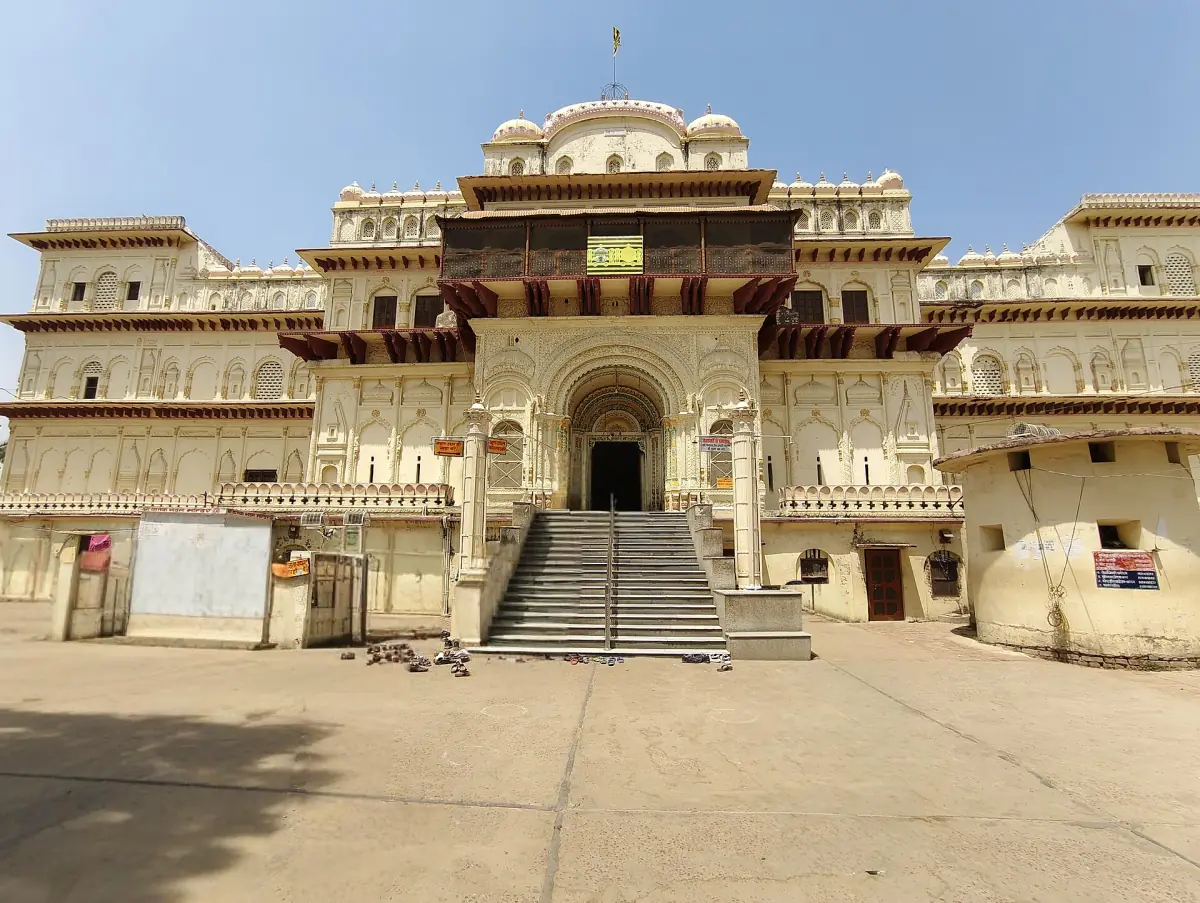
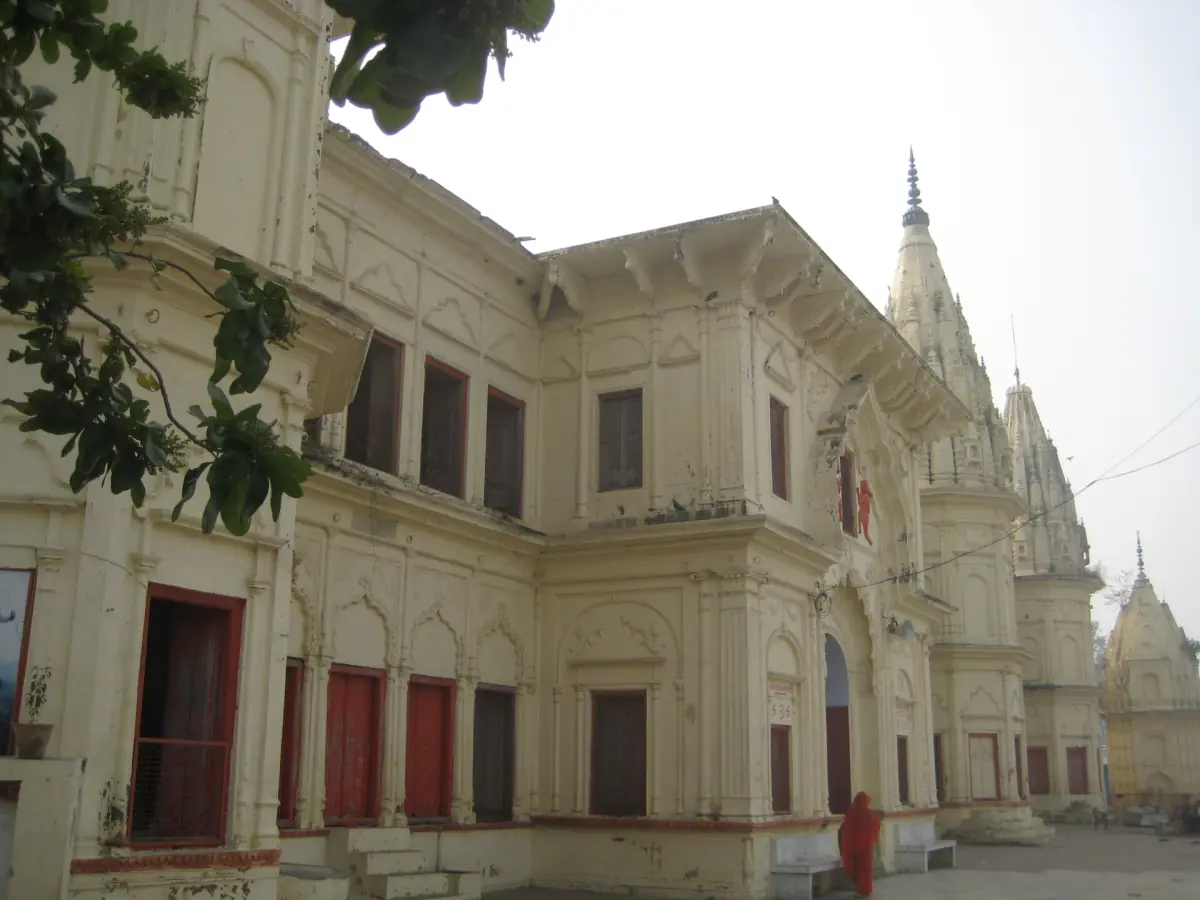
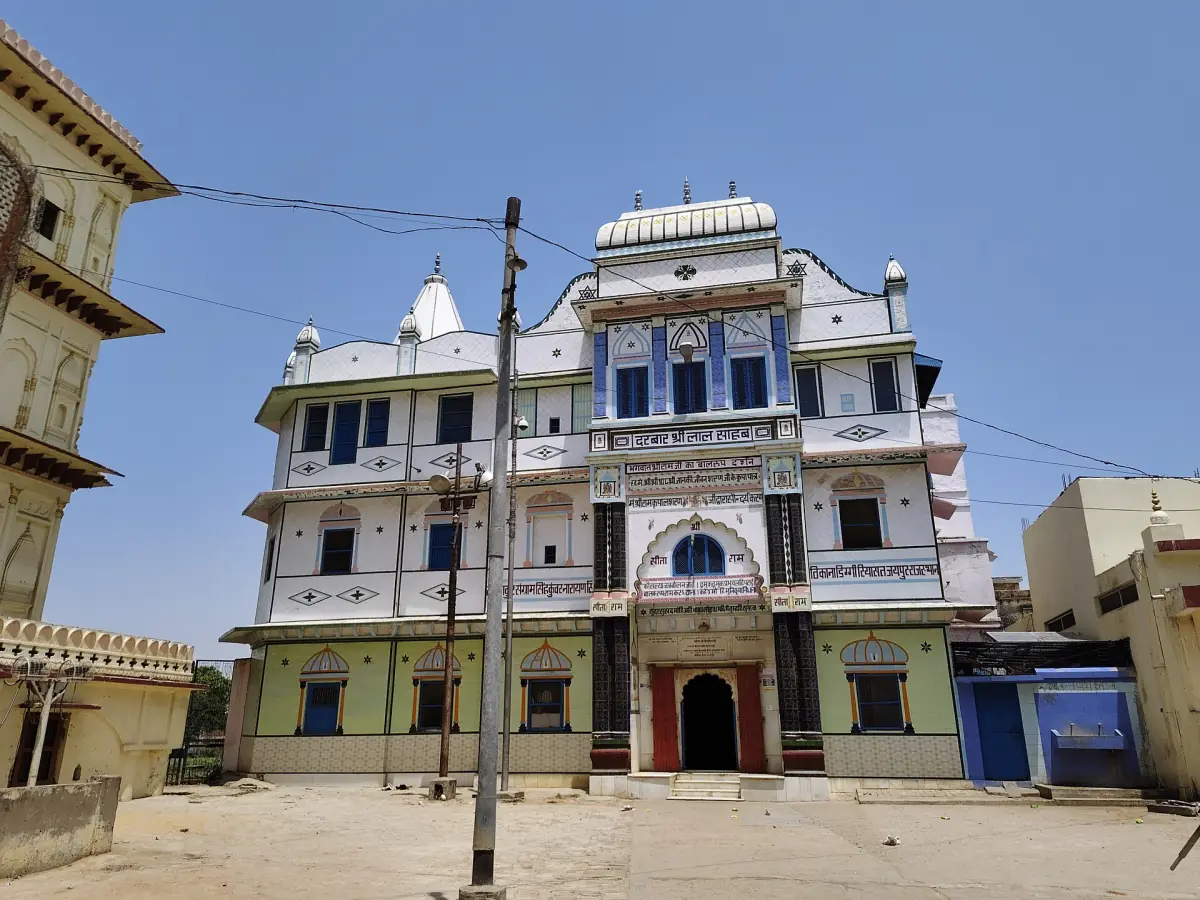
Kanak Bhawan lies north-east of the Ram Janmabhoomi site in the Ramkot area. Rama and Sita are the main deities. Tradition says it was a gift from Kaikeyi to Sita after her wedding. Its old name, Sone-ka-Ghar or House of Gold, is a traditional name and does not mean the building is made of gold. Hours are usually 08:00 to 11:00 and 16:30 to 21:00, with seasonal variations, so check on the day.
Dashrath Mahal is a regular stop on the state tourism sightseeing route. Check access and opening hours on the day.
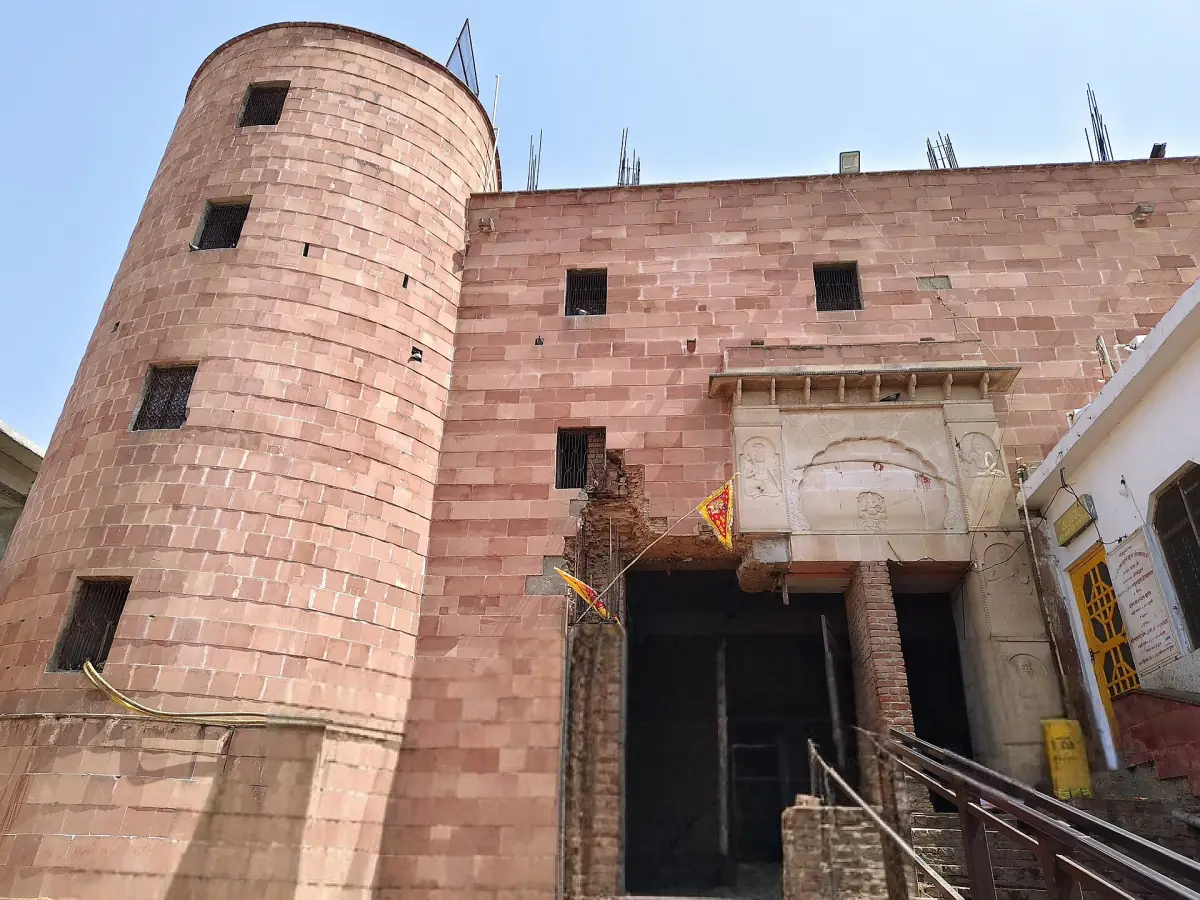
The Saryu riverfront and other temples
The ghats, a Shiva temple and a temple that opens once a year.
Ram ki Paidi and Guptar Ghat
Ram ki Paidi is a series of ghats on the Saryu where the evening aarti draws people at sunset. Guptar Ghat is a separate religious site on the river. Boat rides depend on the water level, so confirm on the day. Details are in our Saryu ghats guide.
Nageshwarnath temple
Nageshwarnath, also spelled Nageshwar Nath, is a Shiva temple near Ram ki Paidi. It makes an easy short stop on an evening at the river. Check opening and aarti times on the day.
Treta ke Thakur
Treta ke Thakur is open to the public only once a year, on Kartik Shukla Ekadashi, which falls in November or December. Do not build a normal day around an inside visit. Check the exact opening day and hours for 2026 before you go.
Sita ki Rasoi
Sita ki Rasoi is a stop on the state tourism sightseeing route. The name tells you about tradition, not about a surviving kitchen from Sita's time, so go with that expectation.
Things to do in Ayodhya
Ways to shape a day or two in town.
| Place | What it is | Check first |
|---|---|---|
| Ram Mandir | Main temple, Ram Lalla | Pass, bag and phone rules, season timings |
| Hanuman Garhi | Hill temple, 76 steps | Midday break |
| Kanak Bhawan | Rama and Sita temple | Hours differ by season |
| Dashrath Mahal | Sightseeing stop | Access on the day |
| Ram ki Paidi | Ghats and evening aarti | Start time by season |
| Guptar Ghat | Separate river site | Water level, ropes, boats |
| Nageshwarnath | Shiva temple | Opening times |
| Treta ke Thakur | Temple open once a year | Annual opening day |
For most visitors, one full day covers the Ram Mandir, Hanuman Garhi, Kanak Bhawan and the evening aarti at Ram ki Paidi. Add a second day for Guptar Ghat, Nageshwarnath and a slower pace.
Plan the rest of your trip
Related guides.
Places to visit in Ayodhya: frequently asked questions
What are the main places to visit in Ayodhya?
The Ram Mandir, Hanuman Garhi, Kanak Bhawan and the Saryu ghats at Ram ki Paidi and Guptar Ghat. Nageshwarnath and Dashrath Mahal are good additions.
Is there one ticket for all the sights?
No. The sights are separate places, each with its own entry and timings, so check each one.
Can I visit Treta ke Thakur at any time?
No. It opens to the public only once a year, on Kartik Shukla Ekadashi, in November or December.
How many days do I need in Ayodhya?
One full day covers the main temples and the evening aarti. Two days give you time for Guptar Ghat, Nageshwarnath and rest between visits.
Is Kanak Bhawan made of gold?
No. House of Gold is a traditional name. The building is not made of gold.